


Joshua Tree National Park, California.
The first couple of days, before the weather turned, I managed to get shots of both a Ladder-backed Woodpecker and a Loggerhead Shrike. The last night was really windy, I was actually wondering if the trailer was might tip over. Looked out the window the following morning and the place was blanketed in snow. Driving out of the park I was a little worried about being able to tell where the road was.
The landscape is truly other worldly.


This is called the jumping cholla catus. Their needles really catch the sunlight, they almost glow. Like little light bulbs spread across the Sonoran Desert floor.

Weighing the options ...


Organ Pipe Cactus National Monument, AZ.
The main destination of the trip was South Texas to witness the spring bird migration. I just broke the trip up into chunks of 1-day drive with a 3-day stay. I found this place is about a day's drive from Joshua Tree and decided to go there basically just because of that. Turned out to be well worth it - the campsites are immaculate and the trails are spectacular. I strongly recommend this place.
Saguaros are the tallest cactus in the United States. I estimate this one to be about 30 feet tall.

Barrel Cactus.

Organ Pipe Catus.


The aptly named Cactus Wren.


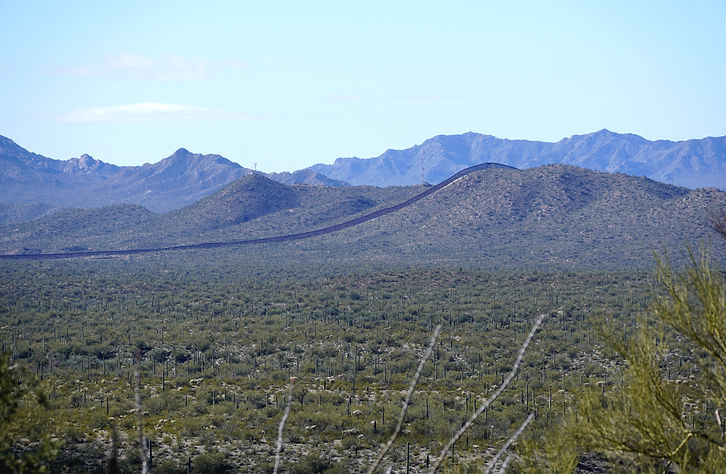
In the distance is Mexico.


The border wall.


Ocotillo cactus on the right.


Tuscon, AZ.
These photos were taken in the Saguaro Nation Forest just outside of the city.
Beep beep.

Black-tailed Gnatcatcher


Phainopepla.


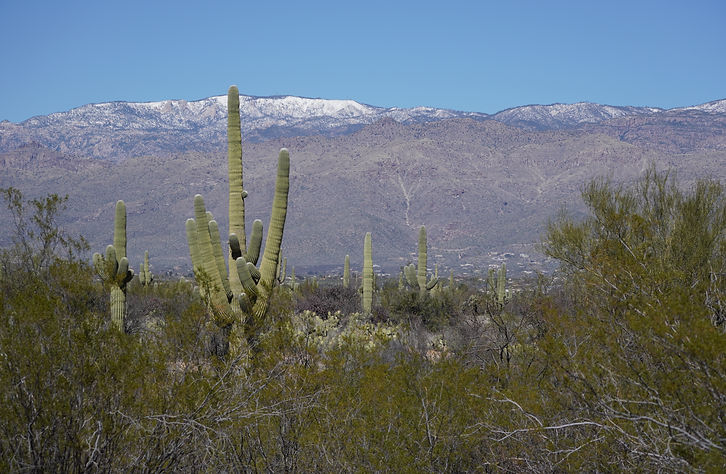

Probably too any pictures of the saguaros, but they're just so amazing. The pictures really don't capture their majesty.
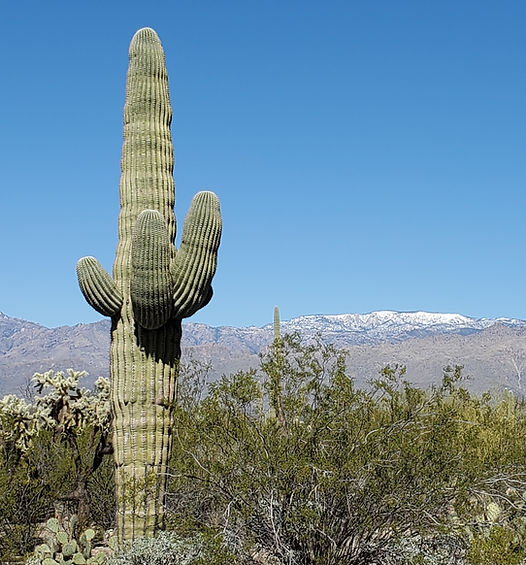

White Sands National Park, New Mexico.
When I was a kid I remember my Dad used to take business trip here to support test flights for the Talos surface to air missile.
The "sand" is actually gypsum - the stuff dry wall is made of.
We stayed at a KOA in the nearby town of Alamogordo. Before staying at a KOA I used to kind of look down my nose at them but they're actually pretty awesome. I mean they're not National Parks, but they have everything a weary RV-er needs, propane, laundry, hookups, gear, groceries.

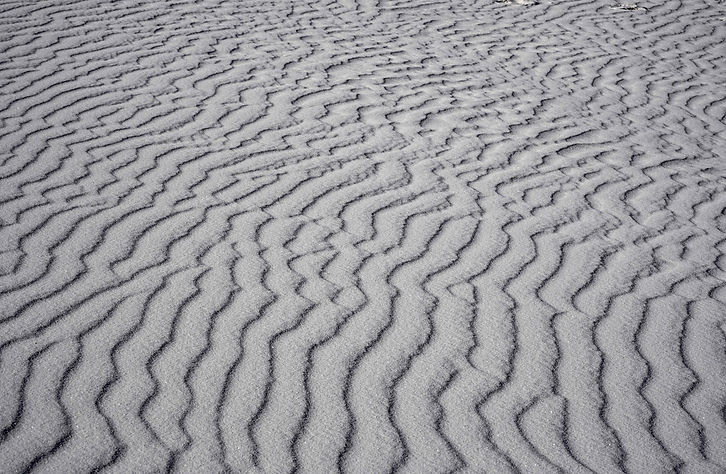


Leaving White Sands we passed through Cloudcroft (cold, 28°F) and stopped by the Sunspot Solar Observatory. Caught a Mountain Bluebird and a White-breasted Nuthatch.


Carlsbad Caverns, New Mexico.
Hard to take good pictures in a cave!
Nothing much to see around here I guess.


Big Bend National Park, Texas.
This park is absolutely huge - 801,000 acres. It's about 30 miles from the park entrance to the campground! The parks southern border is 118 miles of the Rio Grande River. There' a lot of water so ... there's a lot of birds.
Cardinal.

Golden-fronted Woodpecker.

Vermilion Flycatcher.


Surprised how good this turned out.
f/10, 1/500 sec, ISO-200, 350mm.


Notice that slot in the canyon wall in the distance then take a look at the next photo.


These next few shots were taken on the Boquillas Canyon Trail. Got a good shot of a Roadrunner as well as some Mexicans riding horses along the river front.


The road leading out of the park.


Laredo, Texas.
Just a one night stay at Lake Casa Blanca Intenational State Park


Mission, Texas.
Really hit the jackpot for birding while visiting the Bensten-Rio Grande Valley SP.

Golden-fronted Woodpecker.

Great Kiskadee.


Altamira Oriole.


Harris's Hawk.

Green Jay.

Cardinal.


South Padre Island, Texas.
Arrived just in time for Spring Break.
What I found odd about the beaches in Texas is that you are allowed to drive yours cars out onto them. You can also camp without any registrations or fees.
The Southe Padre Island beach is over 30 miles long - the vast majority is deserted.


An undulating line of White-faces Ibis flying way off shore. Very graceful to to watch


Alertness is encouraged while hiking in South Texas.


Roseate Spoonbill.


Corpus Christi, Texas.


High Island, Texas.
This is how beach front houses are built on the Gulf Coast. The stilts protect against the storm surge (up to 15 feet) but not from the wind!
If you place your cursor on the picture you can click the arrow to go to the next picture.


In 1941 there were only 21 Whooping Cranes left: 15 were migrants between Canada and Texas while the rest lived year-round in Louisiana. The Louisiana population went extinct, and all 600 of today’s Whooping Cranes (about 440 in the wild and 160 in captivity) are descended from the small flock that breeds in Texas.
The only self-sustaining population of Whooping Cranes is the naturally occurring flock that breeds in Canada and winters in Texas.


The mating colors of the Great Egret consists solely of the green eye shadow.


Late afternoon light helped make this one of my better shots.


Cameron, Louisiana.


Lots of really crazy bridges in Louisiana.

Hurricane.


Grand Isle, Louisiana.


One in Four building in Grand Isle were destroyed by Hurricane Ida in 2021.
150 mph sustained winds.


New Orleans, Louisiana.


I just can't shake this feeling ...

Excited to add 62 new species!


